Nourish Your Body with Purpose & Vitality
Food is the molecular foundation of cellular energy, metabolic health, and cognitive resilience. Explore whole-food principles, portion wisdom, and balanced eating habits that sustain lifelong vitality.
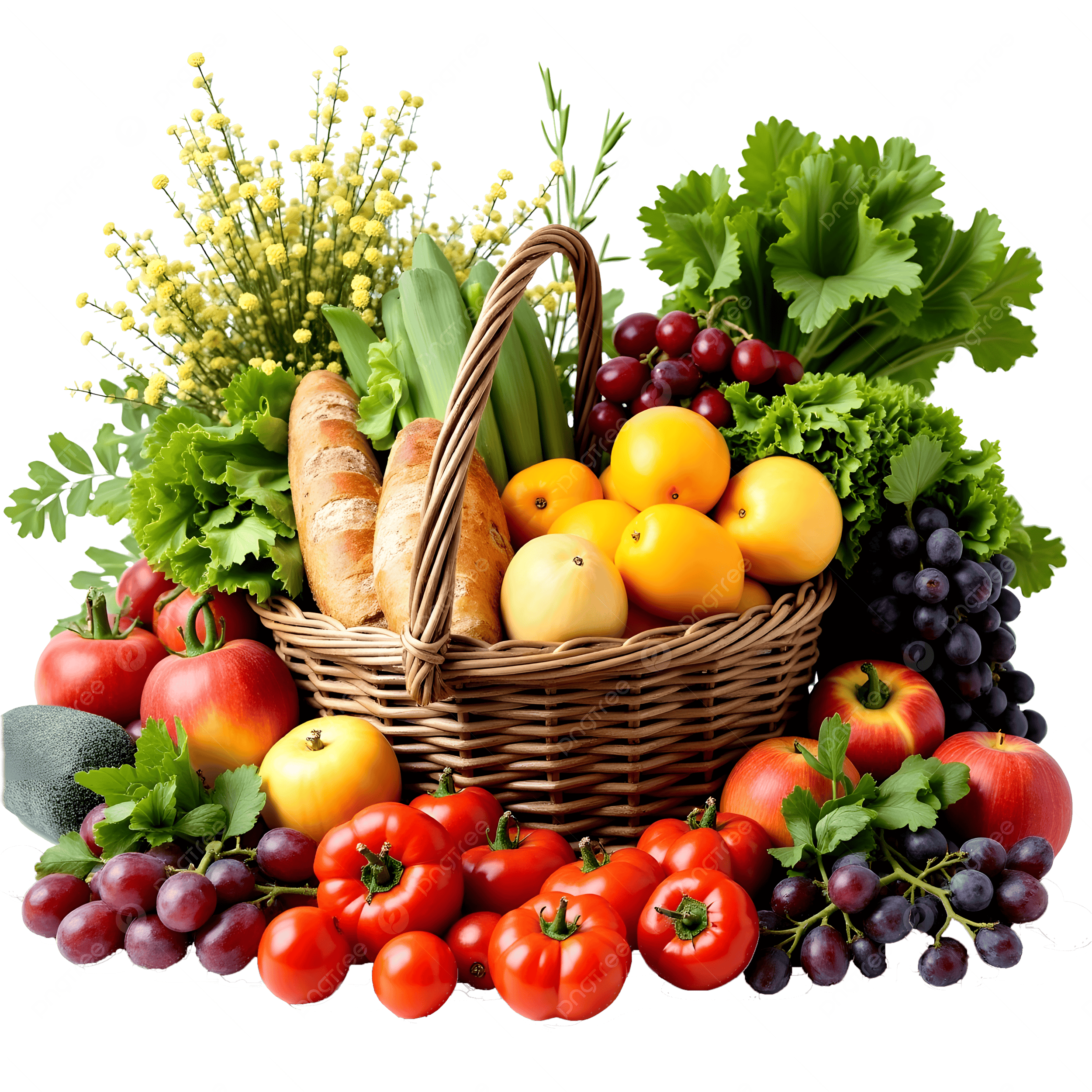
Nutrient-Dense Living
Abundant vitality on every plate
The SwiftCare Balanced Plate
A straightforward visual ratio for building sustaining, energy-dense meals without restrictive dieting.
50% Colorful Veggies
Dark leafy greens, cruciferous vegetables, and crunchy produce packed with dietary fiber, polyphenols, and micronutrients.
25% Quality Protein
Legumes, wild-caught fish, organic tofu, eggs, and lean cuts essential for cellular repair and muscle protein synthesis.
25% Complex Grains
Quinoa, brown rice, rolled oats, sweet potatoes, and whole grains providing sustained slow-release glucose.
Essential Healthy Fats
Extra virgin olive oil, avocados, flaxseeds, and walnuts to support hormonal harmony and fat-soluble vitamin absorption.
Eat Across The Full Spectrum
Plant pigments carry unique phytonutrients that protect cells and optimize digestive microbiome health.
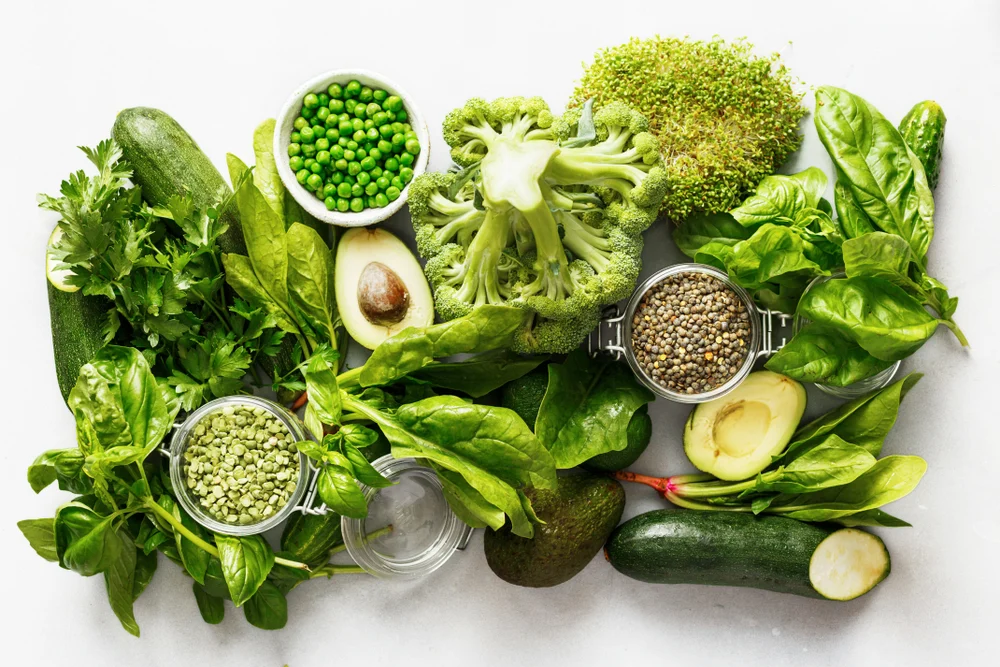 Greens & Chlorophyll
Spinach, Kale, & Broccoli
Rich in folate, vitamin K, magnesium, and sulforaphane to encourage liver detoxification and vascular integrity.
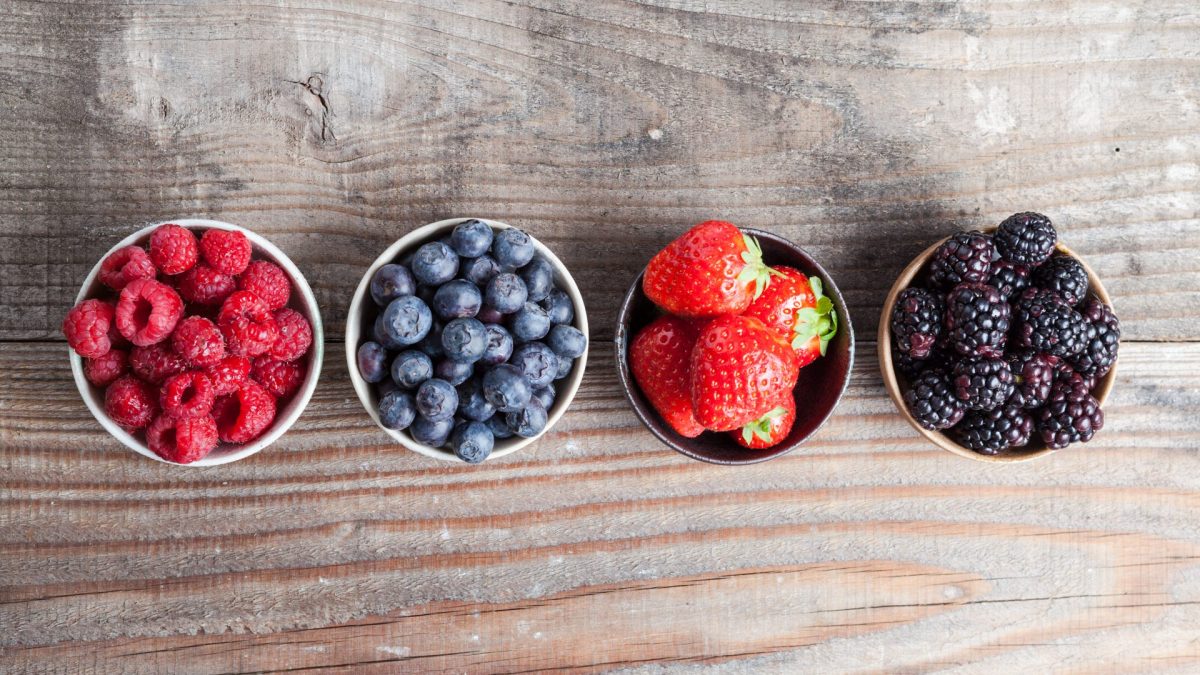 Reds & Purples
Berries, Beets, & Tomatoes
Loaded with lycopene, anthocyanins, and vitamin C to protect cardiovascular pathways and enhance brain elasticity.
 Yellows & Oranges
Carrots, Squash, & Citrus
High in beta-carotene, bioflavonoids, and lutein supporting ocular health, immune defenses, and skin collagen synthesis.
Rethinking Daily Food & Hydration Habits
How you eat is just as impactful as what you eat. Practicing mindful chewing, rhythmic meal timing, and proactive hydration stabilizes energy without mid-day crashes.
- Hydrate Before You Caffeinate: Replenish electrolyte balance first thing in the morning with mineralized water.
- Mindful Chew Cadence: Chewing food thoroughly stimulates digestive enzymes and signals satiety to the brain.
- 12-Hour Overnight Digestive Rest: Allowing digestive pathways to rest overnight supports cellular autophagy and gut microbiome renewal.
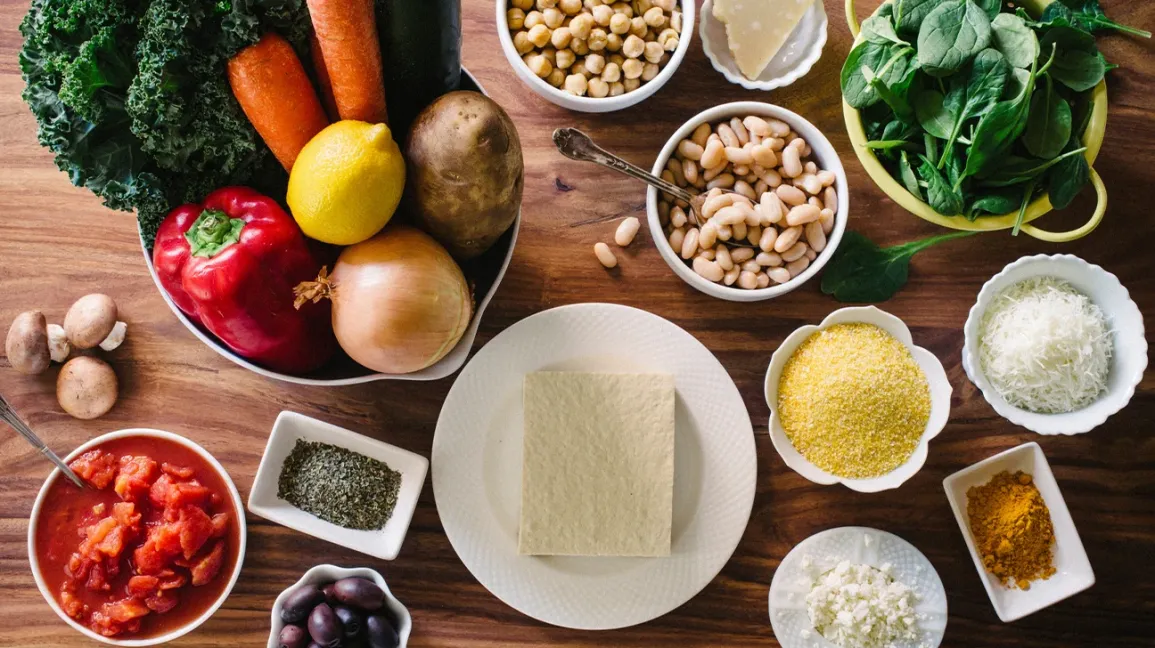
Request a Healthy Meal Planning Framework
Get our practical whole-food batch prep guidance and balanced grocery structure sent directly to your inbox.
Common Nutrition Questions
Answers to frequent questions about wholesome eating and balanced lifestyle nutrition.
Whole foods exist close to their natural state with minimal industrial refinement—such as fresh vegetables, legumes, nuts, seeds, and whole grains. Ultra-processed foods often contain refined oils, artificial emulsifiers, and excessive refined sugars that disrupt metabolic equilibrium.
A baseline guideline is approximately 2 to 3 liters per day for adults, adjusted for activity level, climate, and dietary intake of water-rich fruits and vegetables.
Batch roast seasonal vegetables on Sunday, pre-cook a large pot of whole grains, and keep staples like canned beans, frozen greens, and high-quality olive oil on hand for rapid 15-minute assembly.